
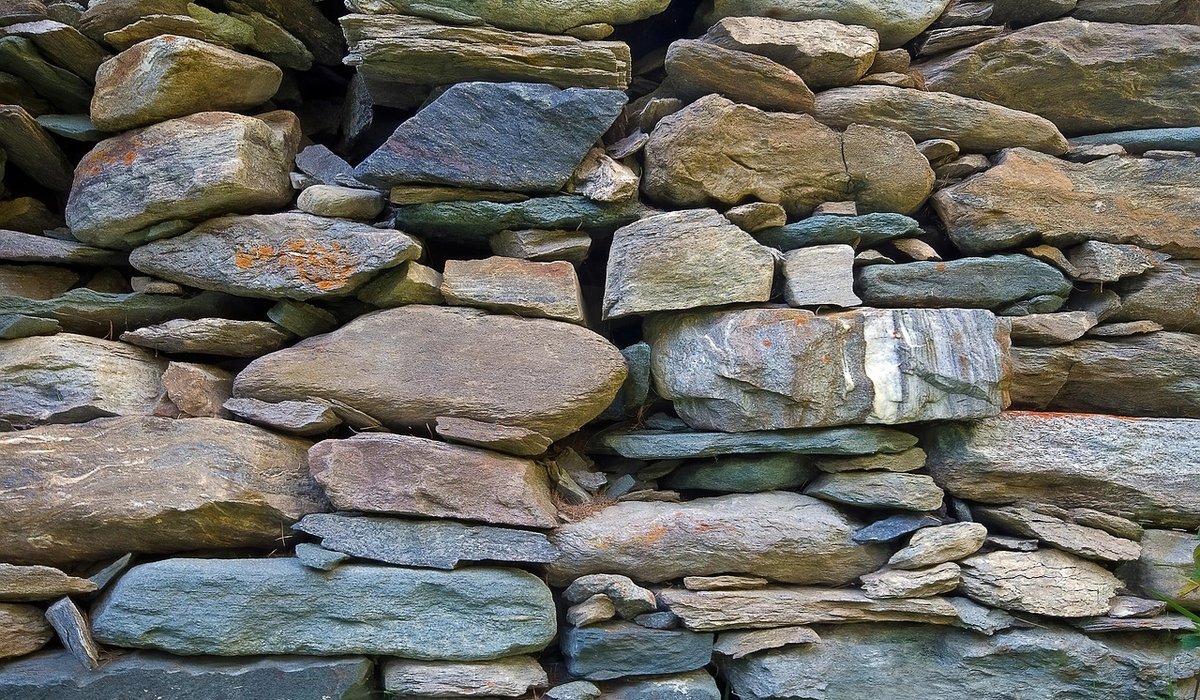
Traditional Stone Carving Skills for Architectural Details
Reading the Stone Before the Chisel
Every architectural detail begins with a conversation between carver and stone. In Britain that stone is often limestone or sandstone: Portland, Bath, York, and local sandstones. Each has a grain, a bedding plane, and a temperament. Learn to read it before the first mallet blow. Bedding planes are the layers laid down when the stone formed; working across them can cause shells to lift or edges to crumble. Work with the bed where possible, and let the stone dictate the depth of cut. Fine limestone takes crisp undercutting; coarse sandstone prefers broader treatment.
Good carving also depends on preparation. True up the block, mark the face side and face edge, and keep them clean. Set out with a pencil, rule, and scribing knife rather than by eye. For historic repairs, record the profile with a template, gauge, or rubbing. Match the tooling, not just the shape: a sanded Victorian plinth looks wrong. Aim for a detail that sits comfortably in its building.
Setting Out Mouldings and Profiles
Simple mouldings are the grammar of architectural carving. The fillet, torus, cavetto, ovolo, scotia, and astragal combine in cornices, string courses, window surrounds, plinths, and coping. A running mould, cut from zinc or sheet metal and mounted on a wooden stock, can be dragged along a straight edge for repetitive sections. Short runs need only templates and chisels.
Set out from a centre line and a true face. Mark the depth of each moulding, then remove waste in stages. Do not cut the deepest part first; establish outer fillets and arrises, then work inward. Use a sliding bevel for angles and a square for returns. When matching old work, look for protected areas under a drip or in a quirk, because weathered surfaces mislead. Draw the full section at full size before cutting.
From Block to Rough Form: Approaches to Carving
Ornamental details — foliage, rosettes, corbels, capitals, keystones, and garden finials — follow a sequence: rough out, define, refine, finish. First pitch off waste with a point or pitching tool, then use a boaster or claw to bring the block close. A pointing machine or callipers transfer depths from a model or drawing. For foliage, establish stems and leaf masses before serration or veining. Carve undersides and depths first, because they are hardest to reach later.
Grain direction matters as much in ornament as in mouldings. A gouge can lift a long sliver if it travels against the grain. Turn the block when you can, or approach from the opposite end. Leave a margin for error until the design reads clearly. Then refine with skew chisels, V-tools, and rifflers. A crisp arris, clean vein, and shadow line do more than excessive polishing.
Tools, Edge and the Rhythm of the Mallet
Sharp tools are safer and faster. A dull chisel bruises stone and skids. Keep firmers, gouges, skews, and V-tools, plus a wooden mallet you can control. For most architectural carving a 500–700g mallet is manageable; use a lighter one for delicate foliage. Hone little and often. Set the bevel to suit the stone: finer for limestone, slightly blunter for abrasive sandstone.
Listen to the sound. A clean cut rings crisply; a dull thud means a tired edge or unsound stone. Let the mallet do the work. Short, rhythmic taps give more control than heavy blows. Sweep dust away with a brush, not your breath, and wear eye protection, hearing protection, and a suitable mask. Keep the work steady with sandbags, wedges, or a carver’s screw.
Weathering, Fixing and Historic Buildings
Architectural carving must survive British weather. Design for water: a drip, slope, or projecting moulding throws rain clear. In gardens, steps, troughs, fountains, balustrades, and seats need fall and drainage. Freeze-thaw cycles open joints and split stone along bedding planes, so choose durable stone and bed it correctly. Use lime mortar for historic fabric, never hard cement pointing that traps moisture. Use stainless or non-ferrous fixings; lead or slate isolates stone from metal.
Repairs demand restraint. Indent damaged areas with matching stone, cut a clean rectangular pocket, and bed it with lime mortar. For carved details, a Dutchman patch can replace a missing leaf or moulding. On listed buildings, record before you start. In the garden, new carved work sits well beside old stone when scale, finish, and detail are sympathetic. A trough, finial, or hand-cut step ages beautifully when made with the same patience as the historic work it accompanies.
Practice, Patience and Passing It On
Traditional carving is learned by doing. Start with a simple moulding on a scrap block, then a rosette, a small leaf, a corbel. Draw from real foliage and historic examples. Visit churches, country houses, and town halls; look at how shadows fall and tool marks catch light. Ask questions of older carvers. The skills are not secret, but they are slow.
Patience is not a virtue here so much as a method. A sharp tool, a clear setting-out line, and respect for stone grain will carry you through most details. Whether restoring a weathered capital or carving a new garden seat, the reward is the same: a detail that looks inevitable, as though it grew from the building rather than being added to it. That is the quiet achievement of traditional stone carving.
tag: Masonry

Eleanor Hartley Author
Learn to recognise single, double and Galloway dykes by their stone size, through stones and coping arrangements in the British landscape.
YOU MAY ALSO LIKE

Identifying Different Types of British Dry Stone Walls
Aug 7
10Keep gravel and stone driveways free from weeds, ruts and standing water with regular raking, edging and free-draining sub-base maintenance.
read more
Maintaining a Gravel and Stone Driveway Through Wet Seasons
Aug 4
10Stone circles are fragile ancient monuments; responsible visiting, vegetation control and expert survey work help protect them for future generations.
read moreMasonry
-

ERRIC CATONA
Slate remains a durable British roofing and flooring material, offering low water absorption and a distinctive range of colours.
May 19, 2016 at 5.12 pm
Reply
ERRIC CATONA
Soot and pollution can darken stone facades; gentle cleaning methods and poultices can lift grime without harming the surface.
May 19, 2016 at 5.12 pm
Reply -
ERRIC CATONA
A well-built retaining wall needs a solid base, proper drainage and correctly placed stones to hold soil and prevent movement.
May 19, 2016 at 5.12 pm
Reply
Heritage
Your email address will not be published.