
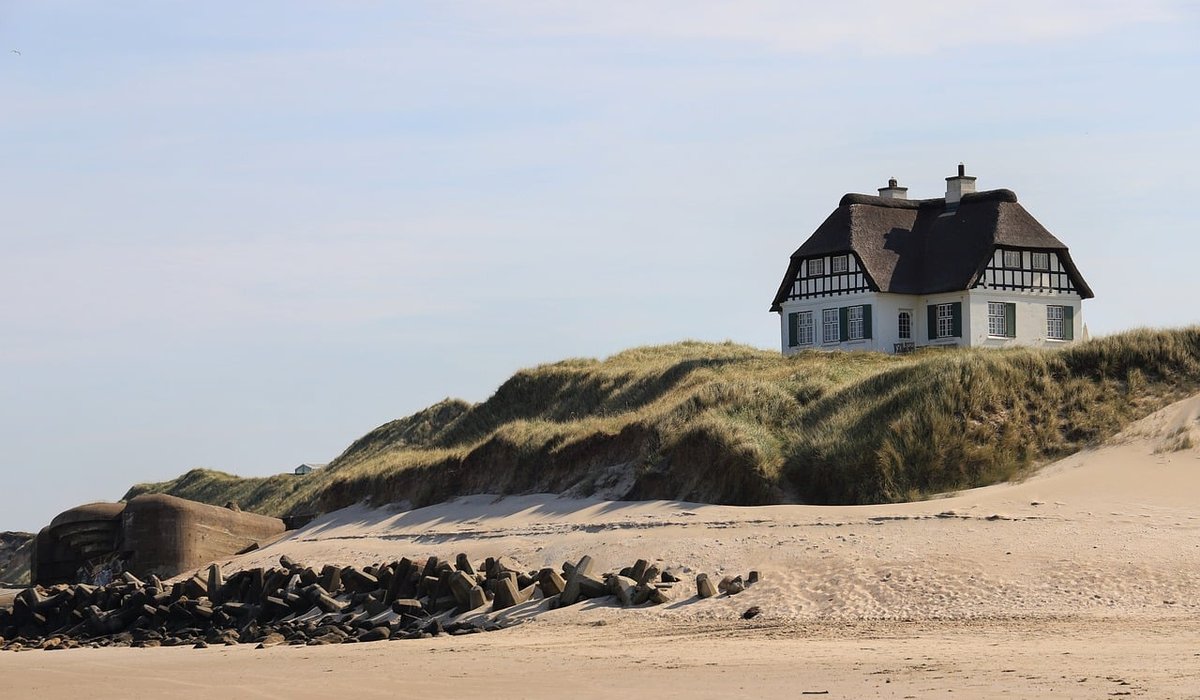
Using Slate in Roofing and Flooring Across the UK
A Material That Has Roofed Britain for Centuries
Travel almost anywhere in the United Kingdom and you will find slate overhead. Terraced streets in the Welsh valleys, the steep mansards of Edinburgh's New Town, Lakeland cottages and Cornish farmhouses all share the same dependable covering, and for good reason. Slate is inert, frost-resistant and slow to fail. It routinely outlasts the battens, the fixings and often the people who laid it.
That is not nostalgia. A properly detailed Welsh or Scottish slate roof will commonly give a century of service before it needs anything more than a handful of replacement slates, and plenty have gone considerably further.
The British Slates and Their Colours
No two quarries give quite the same stone, and the colour palette is far richer than the generic "grey slate" of estate agent listings.
- North Wales — the classic blue-grey to near-black slate of the Penrhyn and Blaenau Ffestiniog districts, with a faint heather or purple cast in some seams. Hard, thin and famously long-lived.
- Cumbria — the Westmorland and Burlington beds give a green slate, running from olive to a soft sea-green, often with a riven face and the odd rusty fleck of iron pyrites.
- Cornwall and Devon — Delabole and its neighbours produce a silver-grey to pewter slate, generally thicker and heavier, with a slightly coarser split.
- Scotland — Easdale and Ballachulish slate tends to be darker and smaller, laid in diminishing courses down the pitch.
Weathering softens all of them. Given twenty or thirty years, a slate roof settles into a silvered grey, often freckled with lichen — as much an indicator of clean air as of age.
Why Slate Performs So Well
The numbers behind slate are unusually good. Quality roofing slate absorbs well under half a percent of its own weight in water, and the best British material sits far below that. Low absorption means little water is left sitting in the stone when the frost arrives, which is the whole battle. Slate also resists acids, does not rot, does not burn and will not support mould growth.
When you buy slate, look for material graded under BS EN 12326, the standard that tests water absorption, carbonate content and behaviour through repeated thermal cycling. Cheap imported slate that fails these tests may look the part on the day it is laid and be delaminating a decade later.
Specifying a Roof That Will Last
Good slate badly fixed is a wasted investment, so the detailing matters as much as the stone itself.
- Headlap — normally 75mm to 100mm on a double-lap roof, increased on low pitches and exposed sites.
- Thickness — traditional roofing slate runs around 4mm to 6mm; thicker slate is heavier but more robust.
- Fixings — copper, silicon bronze or 316-grade stainless steel nails. Galvanised nails corrode and drop slates.
- Underlay and ventilation — a breathable membrane with a clear ventilated void beneath keeps battens and timbers dry.
- Flashings — lead, correctly dressed and stepped, remains the most reliable way to join slate to chimney, wall or valley.
On exposed western coasts or high ground, add snow guards and expect to increase the lap.
Slate Underfoot and in the Garden
The same qualities that make slate a fine roof make it a fine floor. Riven slate flagstones bring a cool, hard-wearing surface to halls, kitchens and conservatories; calibrated tiles around 10mm to 12mm thick are easier to lay over a modern screed, while thicker flags suit a traditional lime setting. Slate is cold underfoot, which makes it a natural partner for underfloor heating, and it shrugs off the traffic that ruins softer stone.
Outside, slate earns its keep in the garden. Sawn or riven paving makes generous terraces and paths, and tumbled edges soften the look against old brickwork. Slate chippings at 20mm to 40mm work as a weed-suppressing mulch around alpines and in troughs, while larger monoliths make convincing standing stones and water features. For steps, use a deep bed and a slight fall away from the building so water never sits on the surface.
Keeping Slate in Good Order
Roofs need little, but they need it on time. Check flashings annually, replace slipped slates promptly, and never walk a slate roof without crawl boards. Moss and lichen are largely cosmetic; scraping them off aggressively does more harm than good.
Interior slate floors benefit from a breathable impregnating sealer rather than a film-forming polish, reapplied every few years, and cleaning with a pH-neutral product. Avoid acidic cleaners, which etch the surface and dull the colour. Laid and looked after properly, slate will quietly outlast almost everything else in the building.
tag: Stone Types

Oliver Pemberton Author
Soot and pollution can darken stone facades; gentle cleaning methods and poultices can lift grime without harming the surface.
YOU MAY ALSO LIKE
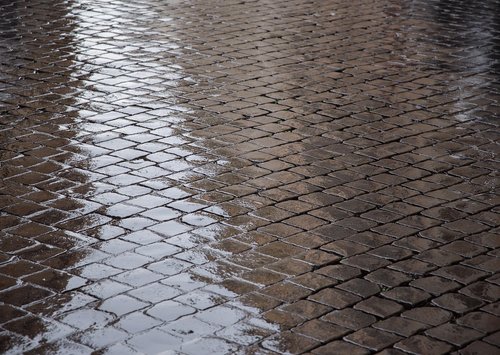
A Guide to Cleaning Soot from Urban Stone Facades
Jul 21
10A well-built retaining wall needs a solid base, proper drainage and correctly placed stones to hold soil and prevent movement.
read more
Building a Low Stone Retaining Wall for a Raised Bed
Jul 17
10Quarries supplied local stone for cottages, churches and roads, shaping employment, transport links and the look of many British towns.
read moreMasonry
-

ERRIC CATONA
Ask about origin, extraction methods and transport distance when buying stone, balancing durability, appearance and environmental impact for your project.
May 19, 2016 at 5.12 pm
Reply
ERRIC CATONA
Ivy and climbing plants can trap moisture and hide defects; learn how to remove them carefully and protect stonework from future growth.
May 19, 2016 at 5.12 pm
Reply -
ERRIC CATONA
Letter cutting combines calligraphy, geometry and precise chisel work to create enduring inscriptions on slate, limestone and sandstone.
May 19, 2016 at 5.12 pm
Reply
Heritage
Your email address will not be published.