
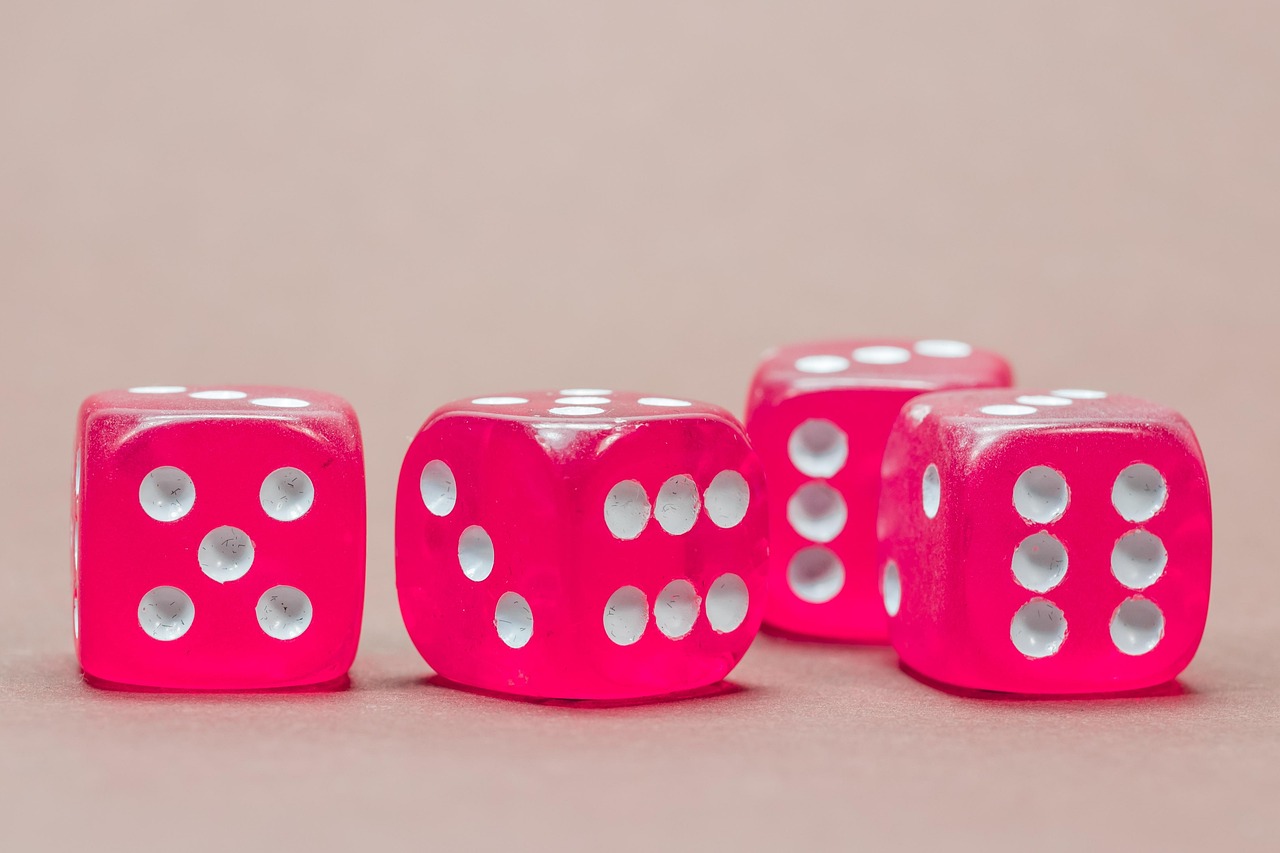
The Real Differences Between Casino Games Nobody Tells You
Every gambler remembers their first big win. Mine came on a Tuesday afternoon in a dimly lit poker room in Manchester, holding pocket eights against an opponent who clearly thought I was bluffing. The pot was £340, which felt like a fortune at the time. What I didn't understand then was that the £340 wasn't really the point. The education I got in that single hand — about patience, about reading people, about variance — was worth far more.
That's the thing about iGaming that most new players miss. They chase the rush. They bounce between slots, blackjack, and football accumulators without ever stopping to understand how fundamentally different these games actually are. Not just in rules, but in the psychology they reward and the type of player who thrives at each one.
Let's fix that.
The Three Families of Casino Games (And Why It Matters)
You can divide almost everything you'll find on a casino floor — physical or digital — into three categories. Slots, table games, and skill games. This isn't academic hair-splitting. Each category punishes a different kind of mistake.
- Slots are pure probability machines. Every spin is independent. There is no hot or cold streak, no machine that is "due," and no pattern that predicts the next result. A 96% RTP slot returns £96 for every £100 wagered over millions of spins, but any individual session can go anywhere.
- Table games like blackjack, baccarat, and roulette sit in the middle. The house edge is fixed and known — roughly 0.5% on basic-strategy blackjack, 1.06% on banker bets in baccarat, 2.7% on European roulette. Your decisions genuinely shift the math, even if only at the margins.
- Skill games like poker and, increasingly, daily fantasy formats are peer-to-peer. You aren't playing the house. You're playing other humans, which means your edge comes from them, not from the casino.
The mistake most casual bettors make is treating all three the same way. They apply slot-machine thinking (spin more, hope harder) to poker, or poker thinking (analyze every decision) to a 96.5% RTP slot that genuinely does not care how smart you are.
Volatility: The Number That Actually Determines Your Experience
Ask a slots player what RTP a machine has and you'll usually get a confident answer. Ask them about volatility and you'll get a blank look. But volatility is what you actually feel during a session.
A high-volatility slot might have the same 96% RTP as a low-volatility one, yet play completely differently. Low-volatility games like Blood Suckers or most classic 3-reel slots pay small amounts frequently. Your balance drifts slowly. High-volatility titles like Book of Dead or Money Train 2 might eat 200 spins before a bonus triggers — and then hand you 800x your stake in a single round. Same theoretical return, completely different emotional ride.
If you're on a £50 bankroll and want an evening of play, low volatility is your friend. If you're chasing a big hit with money you can genuinely afford to lose, high volatility is where those stories come from. There's no "better" option — only the one that matches your bankroll and your temperament.
Where Poker Players Get Slots Wrong (And Vice Versa)
This is where things gets interesting, because the crossover between poker and casino games has exploded in the last decade. Sites bundle everything together now, and players migrate between them.
The problem is that poker rewards selective aggression. You fold most hands. You wait. You exploit specific opponents who fold too much or call too much. Slots reward none of this. There is no opponent, no exploitable tendency, no information to act on beyond choosing which machine and stake to play. If you want to dig deeper, nhacaitangtien.com.co is worth a look.
Flip it around, though, and casino game players bring bad habits into poker constantly:
- They chase losses because a slot session can be "recovered" by one big spin. In poker, chasing means bleeding chips over dozens of hands to players who are paying attention.
- They overvalue starting hands because premium hands feel special, the same way a bonus symbol feels on a reel. But J-J is only a 57% favourite against a random hand, and it plays badly out of position against a tight raiser.
- They underestimate variance. A good poker player can lose for 30,000 hands. A slots player who expects a bonus every 100 spins is playing with a fundamentally different mental model.
Understanding this crossover is what separates the casuals from the people who actually grind a profit online. Not skill versus luck — both games have both — but knowing which mental tool to pick up for which format.
Bankroll Management That Actually Works
Most bankroll advice is too vague to be useful. "Only bet what you can afford to lose" tells you nothing actionable. Here's how serious players actually structure it.
For slots, a working rule is 100–200x your average spin, minimum. If you're spinning £1 a pop on a high-volatility title, you need £200 in reserve before you sit down, because variance will absolutely test you. Spinning £1 on a £50 bankroll is how a fun evening becomes, statistically, an inevitable bust.
For cash poker, the standard is 20 buy-ins for the stakes you're playing. A £1/£2 game with a £200 max buy-in means a £4,000 roll — non-negotiable if you want to survive normal downswings without going bust.
For sports betting, unit sizing changes with confidence, but most professional bettors stake between 1% and 3% of bankroll per selection. A 2% flat stake on a £1,000 roll means £20 per bet, regardless of how "sure" the pick feels.
What Regulated Markets Changed
One genuinely underrated shift over the past few years: regulated markets have started enforcing transparency that used to be voluntary. Licensing regimes in the UK, Malta, Sweden, and a growing list of US states now require published RTP figures, visible odds formats, and clearer bonus terms. In practice, that means a slot's theoretical return is no longer a number you have to dig for or take on faith — most certified games publish it directly in the info tab.
Swedish and UK regulators have also cracked down hard on bonus wagering traps, which used to quietly strip value from new-player offers. Some of the old 40x wagering requirements on sticky bonuses have been banned or heavily reworked. If you've been avoiding sign-up offers because they used to be scams in practice, it's worth a second look in a properly regulated jurisdiction.
The Bottom Line
iGaming is far more interesting than the noise around it suggests. It's not just a casino and it's not just betting. It's a set of distinct mathematical and psychological environments, and the players who consistently have fun — or occasionally make money — are the ones who respect those differences instead of treating every game as the same button to press.
Know whether you're playing against the house or against a person. Know your variance tolerance. Size your bets against reality, not hope. And treat the payout table as information rather than a promise. That's the whole game, quietly running underneath everything else.
tag: iGaming

Priya Nair Author
Old walls need breathable lime mortar, careful joint preparation and gentle tools to avoid damaging historic stonework during repairs.
YOU MAY ALSO LIKE

How to Repoint a Historic Stone Wall Correctly
Sep 23
10Learn how to select, shape and lay stones without mortar, building a sturdy wall that suits rural boundaries and wildlife.
read more
A Beginner's Guide to Dry Stone Walling Techniques
Sep 17
10Explore the geological origins and practical qualities of Britain's most common building stones, from durable granite to easily carved sandstone.
read moreMasonry
-

ERRIC CATONA
Lime mortar allows old stone walls to breathe and move slightly, making it essential for sensitive repairs on historic buildings.
May 19, 2016 at 5.12 pm
Reply
ERRIC CATONA
Local stone reveals ancient environments, from sandy deserts to deep seas, helping you date and understand nearby historic structures.
May 19, 2016 at 5.12 pm
Reply -
ERRIC CATONA
A basic mason's kit includes tungsten-tipped chisels, a wooden mallet, a dummy hammer and safety glasses for comfortable stone shaping.
May 19, 2016 at 5.12 pm
Reply
Heritage
Your email address will not be published.